A Day on an Interior Painting Job in Long Beach
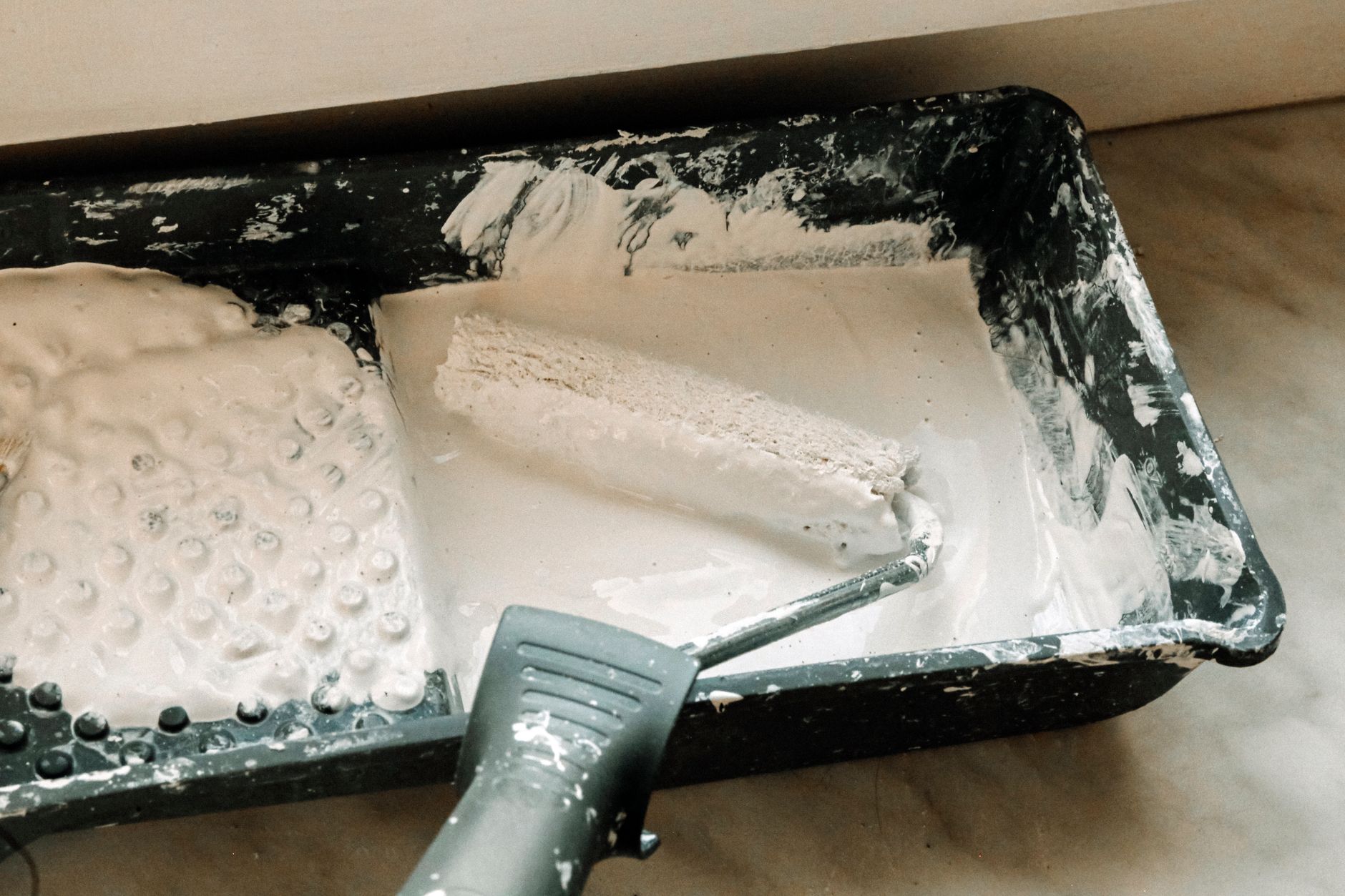
What does the first hour of an interior painting day look like?
The crew arrives, walks the rooms scheduled for the day and looks at what changed overnight. A coat put on the evening before is checked with a fingertip in a hidden spot, and a damp or tacky film changes the order of the whole day. On a Craftsman bungalow in California Heights, where the plaster walls hold moisture, that check matters more than almost anything else said at the front door.
Then the crew sets up. Furniture is already at the center of the room, covered in plastic, and the floors are protected with canvas drop cloths. Rosin paper goes down in hallways and on stairs. Switch plates, outlet covers and any hardware that can come off are unscrewed and bagged by room so every screw goes back where it started. Setup takes close to an hour in an occupied house and is built into the schedule, so it is never paid for out of painting time.
How is a full day usually split up?
Every crew sets its own rhythm, but a standard day on a two room repaint follows a pattern that comes from drying times rather than preference. The table below shows a typical order for a day when the weather is mild.
| Time of day | Work in progress | Why in this order |
|---|---|---|
| Early morning | Walk-through, setup, final patch sanding | Patches from the day before are dry and ready for primer |
| Mid morning | Primer on patches and stains, ceiling coat | Overhead work first, before anything else is finished |
| Late morning | Cut in at ceiling lines and corners | The brushed edge is done while the ceiling is drying |
| Midday | Wall coat in the first room, short break | Warm air in the room speeds drying |
| Early afternoon | Wall coat in the second room | Rolling a second room while the first one dries |
| Late afternoon | Second coat where the first is ready, light touch-ups | The recoat window opens only after the first coat has dried properly |
| End of day | Brush and roller cleaning, tape removal, tidy-up | Tape pulled at the right moment leaves a clean edge |
The pattern changes on damp mornings. Near the coast in Belmont Shore and Naples, the marine layer can keep the air heavy until noon, and a crew that follows the table without adjusting ends up rolling over paint that is still soft. In that case the ceiling and cut-in work move to the morning, the wall coats move to the afternoon, and the second coat waits for the next day.
Why does so much of the day go to prep?
Painting walls is the quick part. A skilled roller hand covers a bedroom wall in a few minutes, but the surface that roller crosses has to be ready first. Hairline cracks are opened and filled, dents are patched, nail pops are reset and sanded flush, and every patch is spot primed so it does not flash under the finish. Glossy trim gets cleaned and scuff sanded before anything is brushed on it.
That work is slow because it cannot be rushed in one pass. Compound goes on in thin layers, each one drying before it is sanded. A crew that has to wait on a patch to cure uses the time to prepare the next room, and this overlap is what keeps a day busy without cutting corners. In older houses around Bixby Knolls and Los Cerritos, where the plaster has been patched many times over the decades, prep can take longer than painting on every wall.
What happens between the first and second coat?
Two coats are standard on any wall that is changing color or has been patched, and the gap between them is where many jobs go wrong. Acrylic latex can feel dry within an hour, but the film underneath is still releasing water. Pressing a second coat on too early drags the first layer, leaves roller marks and can leave a patchy sheen, particularly in eggshell and satin.
A crew tests the recoat window by touch and by timing. The label gives a minimum, and the weather adds to it. On a warm, dry afternoon, four hours is often enough. On a humid morning near the Port of Long Beach, it can be six or more. A box fan in an open window helps move water out of the paint, though it does little when the air is already saturated with fog and salt. When there is doubt, the second coat waits for the morning.
How do crews handle the awkward parts of a house?
Stairwells, tall ceilings and the narrow hallways of older homes take more time than open rooms because the crew cannot work from a stepladder. A stairwell needs scaffolding or an extension ladder with a leveler, and the work goes slowly because every move has to be safe. Hallways in houses near Signal Hill and the Los Angeles River side of the city often have several doors and corners in a short run, so cut-in work takes longer than the rolling.
Closets and bathrooms are left for the early part of the day. They have little airflow, so paint dries slowly in them, and the longest drying time possible helps. Doors are propped open, and a fan runs while the crew works elsewhere. A closet closed too early can hold a paint smell for days.
What does a crew do about dust and smell?
Sanding creates fine dust, and it settles on every surface in a room, including wet paint. The crew sands first, vacuums with a hose attachment, and wipes walls with a damp cloth before any primer goes on. Plastic sheeting is taped over doorways between the room being painted and the rest of the house, which keeps dust from traveling and keeps paint odor contained.
Modern acrylic latex paint has a mild smell compared to the oil based products used decades ago, and it fades within a day if windows are open. A room painted with oil based enamel on trim smells stronger and for longer, and the crew plans for ventilation accordingly. Windows stay open on two sides when possible so air moves through rather than sitting in one corner.
How is the end of the day handled?
Painters finish a day by cleaning, not by rushing the last wall. Brushes and rollers are washed out, and cans are sealed and labeled by room so touch-up paint is easy to find later. Tape is removed while the paint is still slightly soft, at a low angle, which keeps the film from tearing along the edge. Drop cloths are lifted and shaken outdoors, and floors are wiped clean.
Before leaving, the crew looks at each finished surface once more with a work light held low against the wall. Roller marks, thin spots and missed corners show up in side light, and fixing them at that point takes a few minutes instead of a return visit. A rough list of any open items is written down for the next morning.
What can slow a day down?
Surprises behind old paint are the usual cause. A section of plaster that sounds hollow, a stain that is still damp, or a layer of old wallpaper under the paint can add hours to a single wall. Weather is the second cause. A foggy morning in a house with poor airflow stretches every drying time, and a day planned for two coats may finish with one.
A third cause is access. Rooms that are not fully cleared, furniture that has to be moved twice, and pets or children moving through wet areas all cost time. Crews build some slack into the schedule for this, since a job planned with no margin tends to cut the steps that matter most.
A good painting day is mostly sequence and patience. The order of ceiling, cut-in, walls and trim, run at the speed the paint allows, is what keeps a Long Beach interior looking right once the tape is off.